How Society Excludes People with ADHD by Design
Fashion is always sold to us as fun self-expression or putting your best foot forward. But let’s be honest: for someone with ADHD, clothes often feel like an obstacle course you’re forced to run every single day.
When people see an unironed shirt, a messy closet, or an outfit that feels a little chaotic, they tend to write it off as laziness or lack of effort. That misses the entire point. The way modern clothes are made, bought, and cared for is fundamentally at odds with how ADHD brains work.
1. The Physical Agony of "Just Clothes"
For a lot of people, putting on a shirt means you feel it for ten seconds and then forget about it. That’s not how an ADHD nervous system works. Research on tactile sensitivity shows that neurodivergent brains often lack that automatic filter; the nervous system doesn’t tune out constant physical stimuli.
The scratchy tag from hell: Stiff plastic tags, rough threads, and bulky interior seams don't just "sit there." They scream at you all day, pulling focus away from work, conversations, and whatever else you’re trying to do.
Suffocating "professional" clothes: Rigid waistbands that dig in when you sit, non-stretch dress shirts with stiff collars, and stiff blazers feel like physical traps. You spend half your mental battery just tolerating the fabric against your skin.
The wrong texture will ruin your entire day: If a sweater is even slightly itchy or a pair of pants traps sweat, it’s not just uncomfortable—it causes full-blown sensory overload.
2. Laundry Isn’t One Chore—It’s Eight
One of the biggest ADHD cliches is "the chair"—that spot where clean clothes go to sit for three weeks until you finally wear them again.
Neurotypicals treat laundry like a simple task. But in reality, laundry is an executive function marathon:
1. Sort colors and fabrics.
2. Stain-treat anything messy.
3. Start the wash.
4. The danger zone: Remember the wet clothes are sitting in the machine before they turn sour.
5. Move to dryer.
6. Remember to take them out so they don't wrinkle.
7. Fold or hang.
8. Put away in designated spots.
Fashion brands make this ten times worse by designing fragile clothes. Anything labeled "hand wash cold, lay flat to dry" or "dry clean only" is essentially doomed. If an item requires a special hanger, hand-steaming, or complex care, the process stalls. The clothes end up on the floor, and society treats it as a personal failure instead of bad user design.
3. Shopping: Overstimulation Meets the "ADHD Tax"
Getting new clothes should be easy, but the shopping process is set up to trigger ADHD vulnerabilities at both ends:
In-store chaos: Step into a department store or fast-fashion outlet and you’re hit with blaring music, blinding lights, overpacked racks, and twenty different choices per rack. Within fifteen minutes, decision fatigue kicks in and you just want to walk out.
The late-night dopamine scroll: When stores are too much, you turn to online shopping. Dopamine-seeking brains fall straight into the trap of targeted ads, sales timers, and 1-click checkouts.
The return window graveyard: You buy three sizes to see what fits. Two don’t work, or the material feels awful in person. Now you need to print a label, repackage the box, and drop it at a shipping counter before a deadline. Because of time-blindness and friction, the box sits by your front door for two months until the return window is gone. That’s real money lost to bad design.
What Needs to Change:
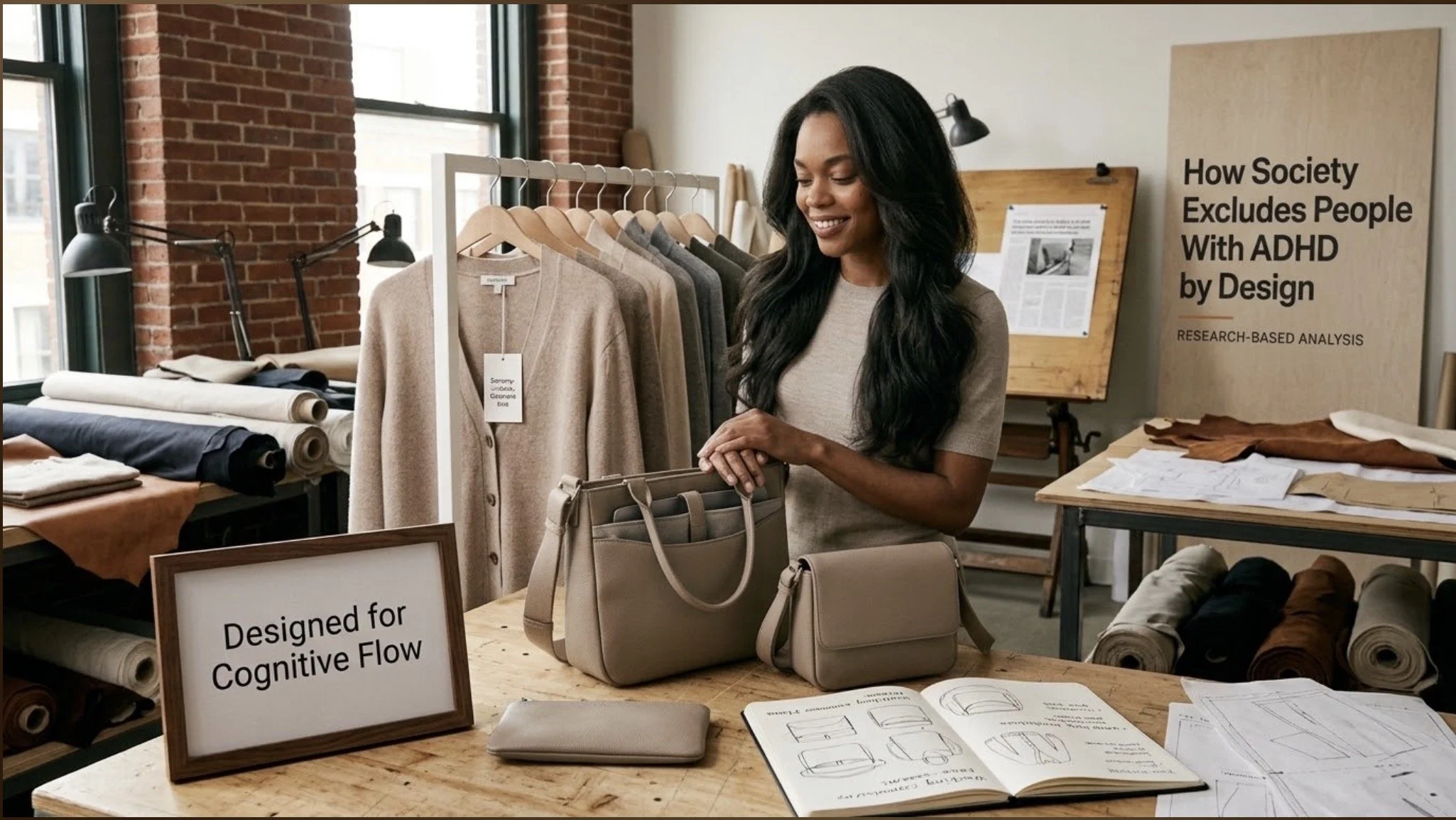
Real inclusion isn’t about sacrificing aesthetics for medical-looking gear; it’s about recognizing that modern design ignores sensory and cognitive realities. To actually solve this, the conversation needs to expand beyond basic tees and look at the functional pieces people rely on every single day to feel grounded and organized:
The Power of the Sensory-Safe Layer: For someone managing temperature shifts and sensory overwhelm, a structured blazer is often a nightmare but a well-constructed knit bridges the gap between looking polished and staying regulated, offering a portable comfort zone you can take anywhere.
1. Sensory-First Construction: Tagless labeling, flat-fell seams, and breathable, high-quality fabrics that feel comforting rather than restrictive should be the baseline across all collections.
2. Regulation Through Wearability: Garments must balance visual polish with physical freedom. People shouldn't have to choose between looking sharp and feeling calm; clothing should support the nervous system, not fight it.
3. Low-Friction Maintenance: True durability means machine-washable, wrinkle-forgiving textiles that survive real-world laundry habits without requiring five extra steps.
4. Intuitive Functionality: Wearable design should actively assist executive function—prioritizing accessible pockets, clean visibility, and structures that reduce daily friction rather than adding to it.
Until fashion treats sensory regulation and cognitive ergonomics as core requirements rather than afterthoughts, people with ADHD will continue to pay an invisible tax just to get dressed.
-Carla Haughton, LMHC | THE NEURA ARCHITECT

Tied and Grounded

When your mind is racing and your body feels scattered, the fastest fix is physical pressure. That's what a tie actually does—it gives your body a physical anchor so your nervous system can settle down.
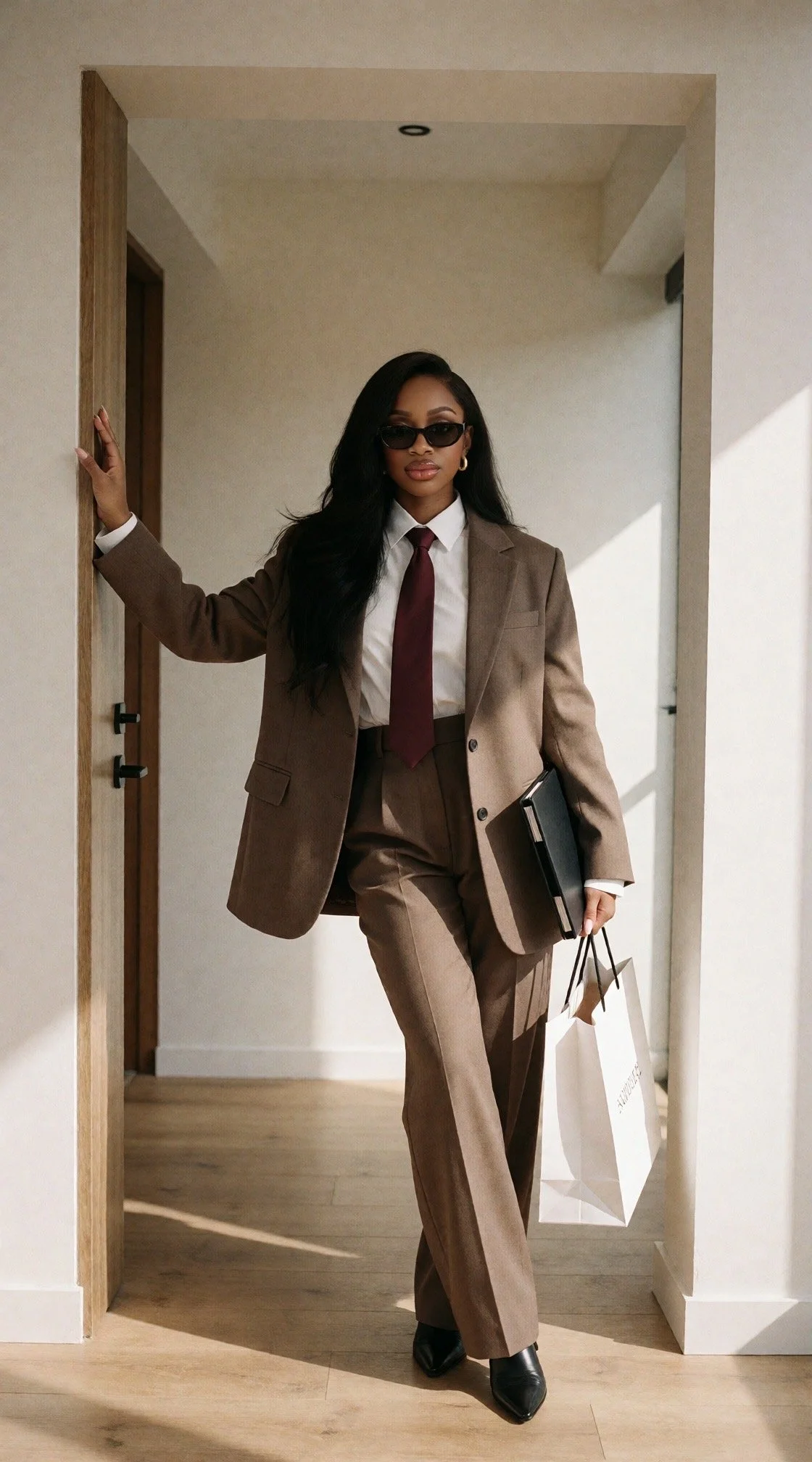
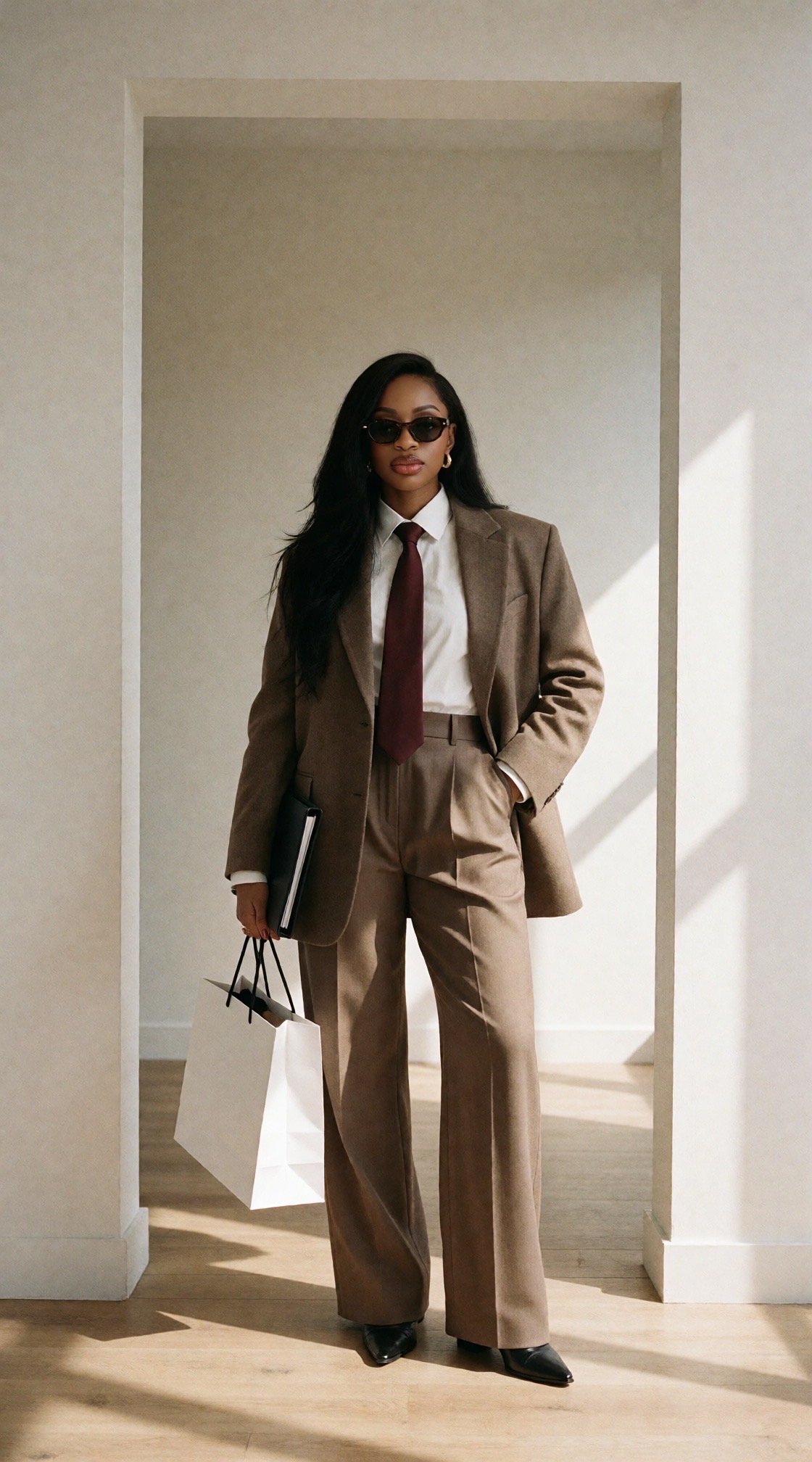
This look isn’t just about putting on a sharp outfit. That deep wine tie against structured wool gives your body a steady point of contact to lock into.
Clothes aren't just fabric sitting on your skin—they constantly talk to your senses. What looks like simple styling is actually an easy way to help your body feel grounded and steady without overthinking it.
The Pressure and Body Awareness:
Your brain has an internal GPS called proprioception—it’s how your body knows where it is in space without you having to look. When you get overwhelmed, stressed, or mentally drained, that internal GPS glitches. You start to feel detached, restless, and completely out of your body.
Securing a tie at your collar puts steady, gentle pressure right down the center of your chest. That small amount of pressure wakes up the touch sensors in your skin, sending a clear, direct signal to your brain that says: you are right here.
Think of it like a micro-version of a weighted blanket. That constant, gentle contact signals your nervous system to drop out of high-alert stress mode and shift into rest mode (1, 2).
A tie isn't just decoration. It gives your body a physical boundary that keeps you steady and regulated while you move through your day.
Diagnostic Fashion™: Tailored to Hold You Down
When everything feels chaotic, structured clothing keeps your body from feeling scattered. That is the core of Diagnostic Fashion™—using tailored lines and intentional weight as functional tools to regulate your system, not just for aesthetics.
A tie resting down your sternum acts as an instant physical centerline. It aligns your posture, steadies your breathing, and sets a clear boundary against external stress. Every time you feel that weight against your chest, your nervous system gets a direct cue: you are centered and secure.
We aren't dressing just to look put-together. We’re using structure to physically keep ourselves held together.
References
1. Mountcastle, V. B. (1957). Modality and topographic properties of single neurons of cat's somatic sensory cortex. Journal of Neurophysiology, 20(4), 408-434. (Foundational neurophysiology on mechanoreceptor pathways and somatic sensory mapping.)
2. Chen, H. Y., Yang, H., Chi, H. J., & Chen, H. M. (2013). Physiological effects of deep pressure touch on anxiety reduction for clinical populations. Journal of Medical and Biological Engineering, 33(5), 463-470. (Demonstrates autonomic modulation and parasympathetic activation via targeted pressure stimulation.)
The Body-Calming Halter
Ever sit at dinner looking undeniable, but feeling like your nervous system is running a marathon?
The clinking glasses, background chatter, and low mood lighting hit at once. By course two, you’re overwhelmed and haven’t even touched your entrée ? My reality was simpler: my body lost its anchor.
When a chaotic room starts pulling you in ten different directions, the cut of this halter steps in to hold you down—giving your body a simple way to stay grounded, confident, and completely present.
(Insert Image: THE GROUNDED HALTER)
1. That Hug at Your Neck: A Tactile Anchor
A halter frames your collarbones effortlessly, but its real power is how it steadies the brain.
The base of your neck is basically your body’s control center for spatial awareness. When the halter hugs that spot, it provides continuous, gentle touch that your brain can easily latch onto. It’s like a quiet anchor whispering: “You’re centered, you’re grounded, you’ve got this.”
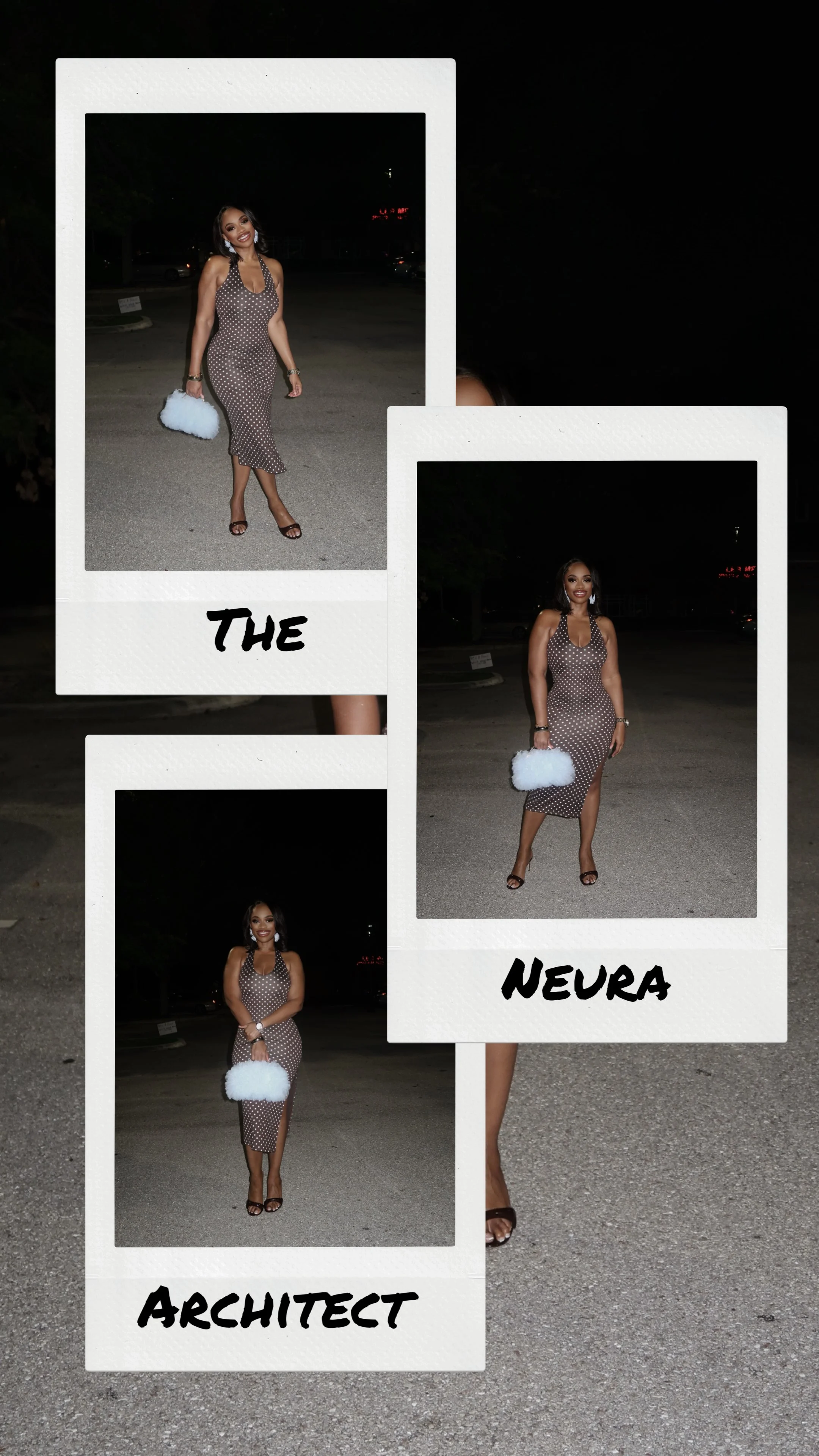
THE STEADY CONTACT / BUILT-IN ANCHOR)
2. The Sweet Spot: Dropping Shoulder Tension
Most of us hold social stress in our upper shoulders, elevating upward our trapezius muscles without realizing it.
The Release: The strap gives your upper shoulders a subtle physical reminder to finally soften, let go of that built-up tension, and breathe.
The Posture: Gentle contact across the upper back gives constant sensory input right where tension lives—keeping you poised outside and calm inside.
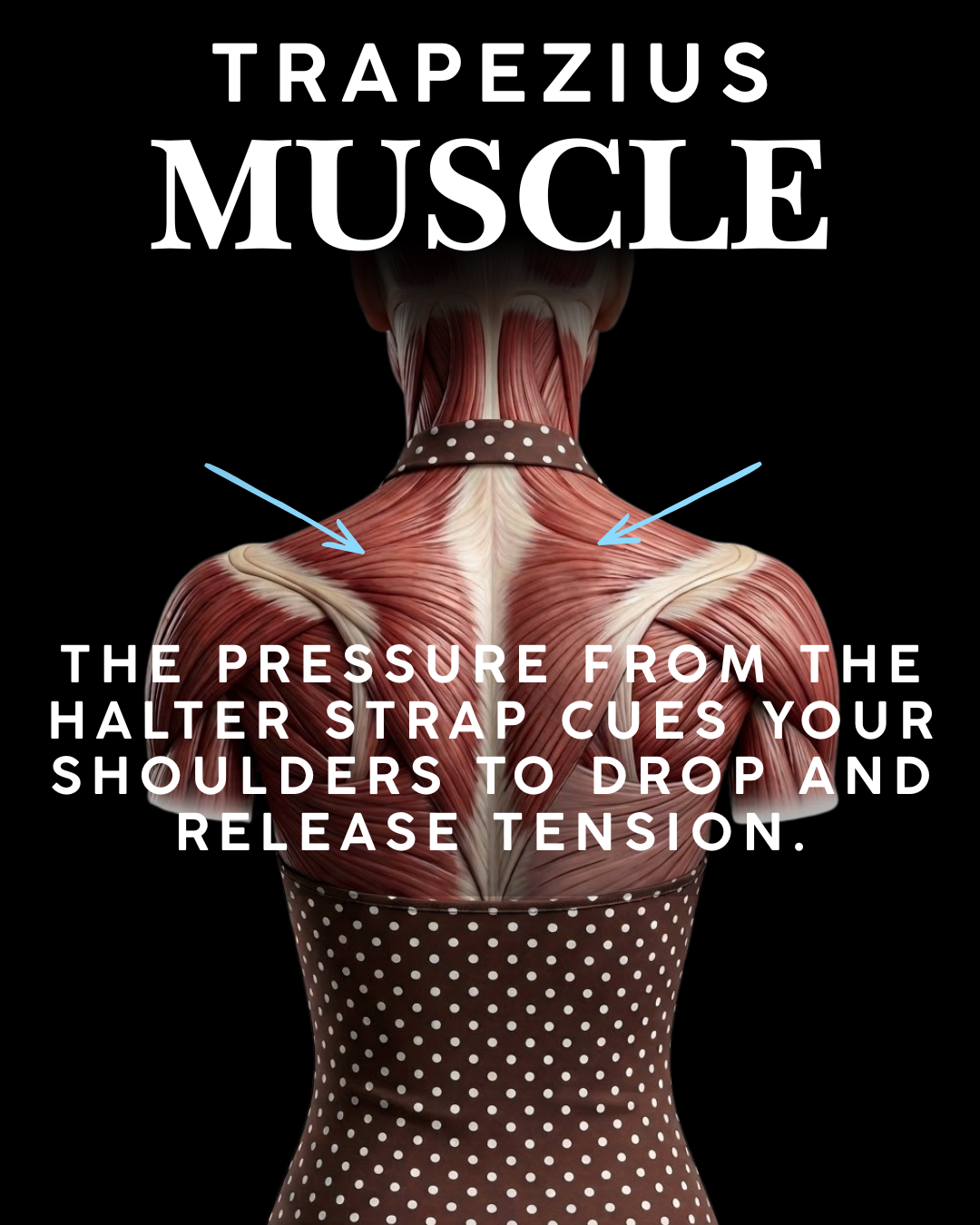
TRAPEZIUS MUSCLE / DROP & RELEASE TENSION)
3. Sensory Baselines for Neurodivergent Brains
For ADHD, autistic, or sensory-sensitive minds, loud rooms force the nervous system to burn excess fuel just filtering noise and tracking body position.
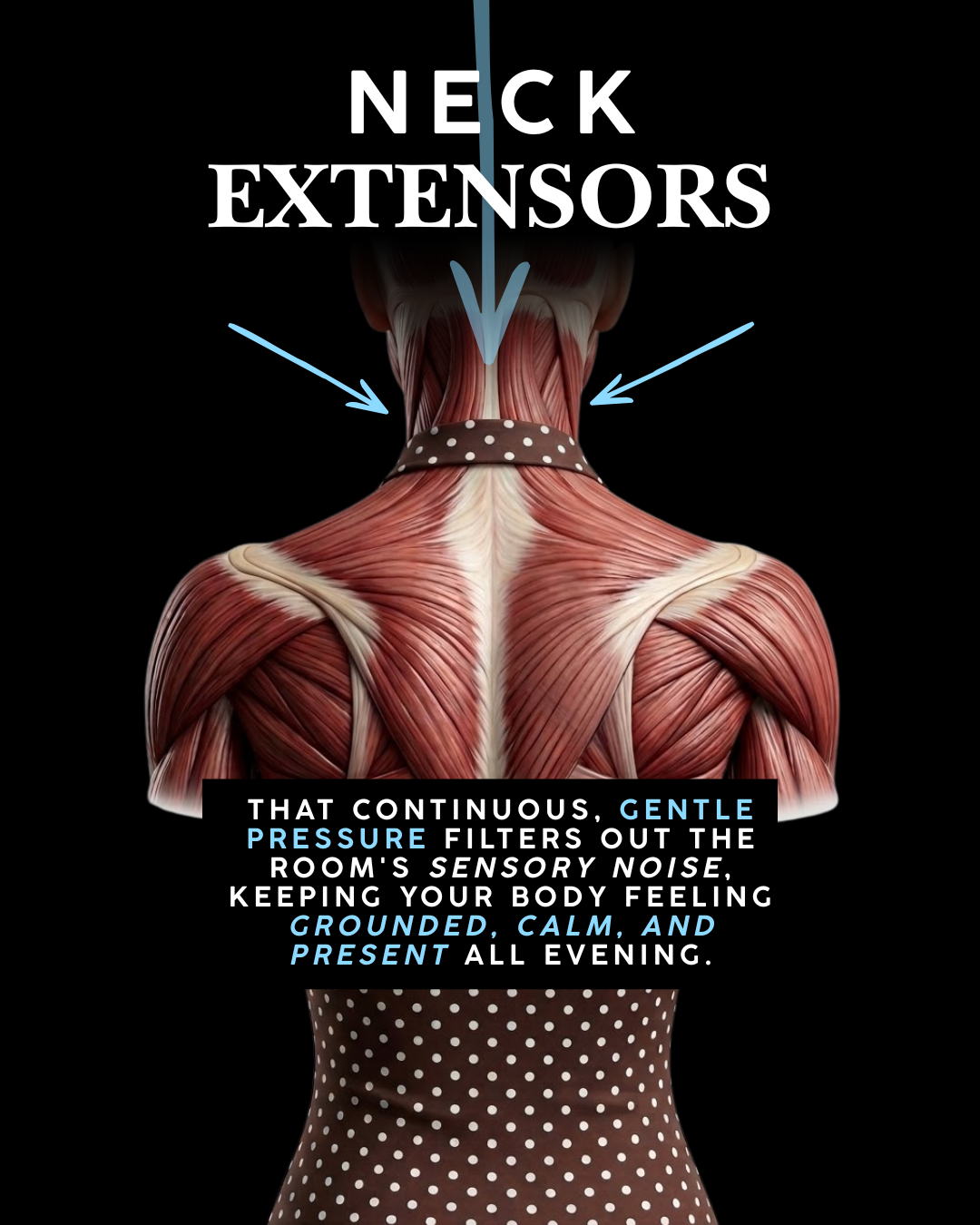
NECK EXTENSORS / FILTERING SENSORY NOISE)
That gentle touch isn’t just comfortable; it triggers Deep Touch Pressure (DTP), which physically signals your body to calm down. While early research focused on bulky medical tools like weighted blankets or vests, your nervous system responds to the exact same principal with intentional clothing design—giving you instant grounding without sacrificing your aesthetic.
Redefining How We Dress
Style isn't a trade-off. You deserve an outfit that makes you look magnetic without sacrificing an ounce of your comfort.
When an outfit actually supports how your body feels, getting dressed becomes your superpower. You don’t just walk in looking incredible—you move with an easy, unshakeable confidence that naturally owns the room.
At the end of the day, high style should hold you up, not burn you out. Settle in, take a breath.
References & Scientific Context
Sensory Modulation & Deep Touch Pressure: Reynolds, S., Lane, S. J., & Mullen, B. (2015). Effects of Deep Touch Pressure on Nervous System Regulation. Journal of Occupational Therapy in Mental Health, 31(4), 380–401. | Grandin, T. (1992). Calming effects of deep touch pressure. J. Child & Adolescent Psychopharmacology, 2(1), 63–72.
Proprioception & Cervical Mapping: Armstrong, B., et al. (2008). Head and neck position sense: A review of sensorimotor mechanisms. Spine, 33(7), 790–797. (On muscle spindle density and baseline spatial orientation).
Stay grounded,
Carla Haughton
The NEURA Architect.
What I Wore to the Black Beauty Roster Beauty Show (and Why My Nervous System Approved)
Stepping into the Black Beauty Roster (BBR) Beauty Show in New York City wasn’t just attending an event—it was descending into the absolute epicenter of culture, innovation, and high-octane energy.
It was breathtaking. It was groundbreaking. It was an absolute sensory overload.
Imagine stepping off the scorching, sun-baked pavement of Manhattan straight into a arctic surge of air conditioning, surrounded instantly by a wall of sound and light.
As a neurodivergent professional, I don’t have the luxury of dressing for aesthetics alone. When my environment is unpredictable, my wardrobe must act as a physiological stabilizer. I don’t just get dressed; I construct My Sensory Armor.
My clothing is the first line of defense between my nervous system and the chaos of the world. It is intentional, calculated, and—most importantly—non-negotiable.
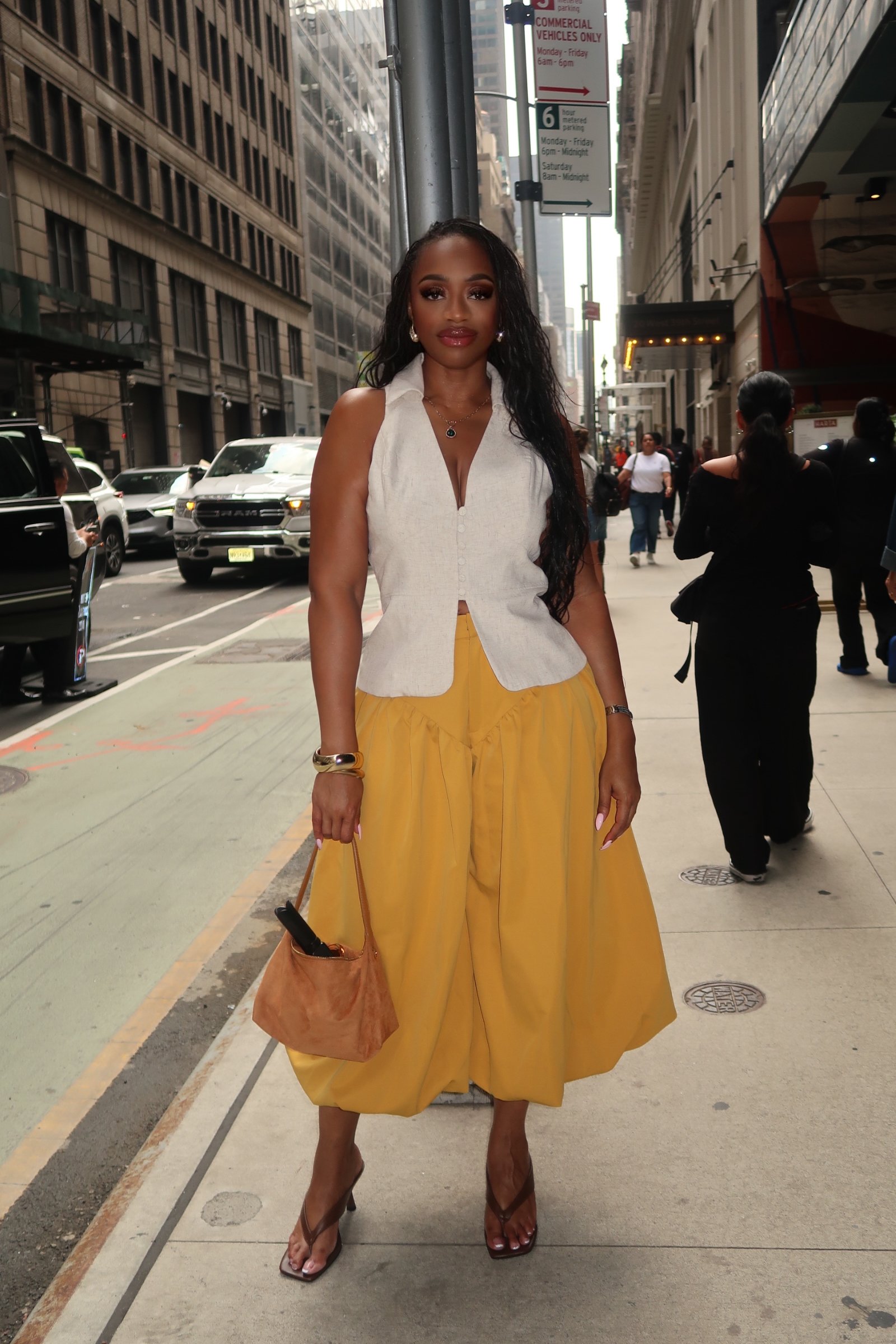
Here is the architectural breakdown of the ensemble that kept me grounded, regulated, and undeniably fly through the high-stimulation environment of the BBR Beauty Show:
If you have ever experienced the sensation of untethering—of floating away or becoming entirely consumed by the sensory assault of a massive, hyper-stimulating room—you understand the critical need for a physical anchor.
My secret weapon wasn't just a coping mechanism; it was a highly engineered, structured vest.
This is the clinical architecture behind why this specific garment is an absolute necessity for sensory survival:
The Mechanics of the Vest
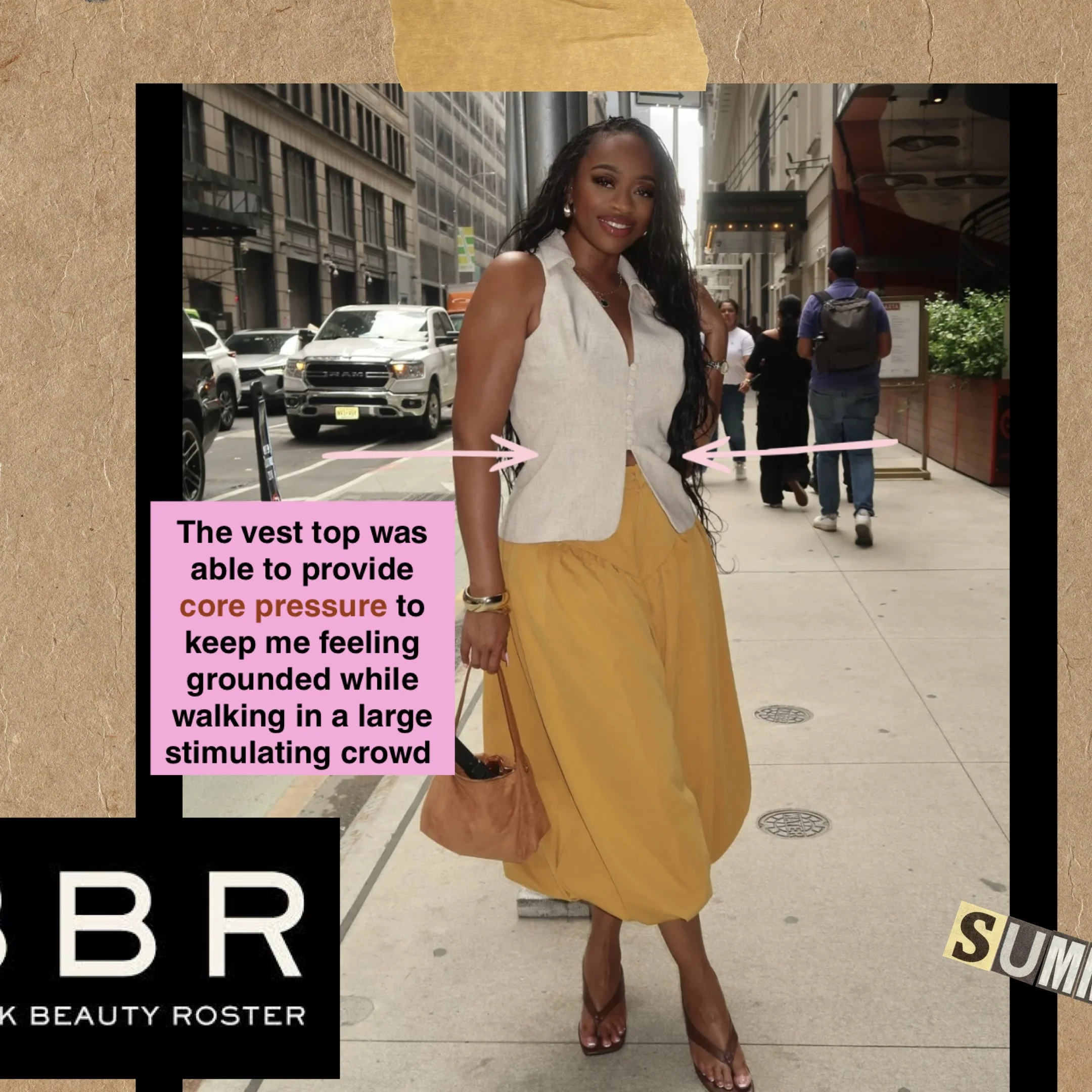
Proprioceptive Anchoring: The meticulously tailored waist delivers a firm, calculated cinch around the midsection. This constant, gentle core compression feeds the brain continuous data about body positioning in space. It operates as a sophisticated, wearable deep-pressure device, entirely concealed within a high-fashion silhouette.
Autonomic Down-Regulation: When a chaotic environment breaches your sensory threshold, the nervous system defaults to fight-or-flight. The sustained, gentle pressure against the ribs and core acts as an immediate physiological brake, signaling safety and mitigating the anxiety response before it can escalate.
Zero-Friction Containment: Unpredictable sensory inputs are the enemy of regulation. Loose tops that shift, gap, or chafe introduce micro-irritations that rapidly drain your energetic battery. This structured vest remains immovably locked in place, eliminating the need for constant, exhausting adjustments.
The Balloon Pants: Complete Freedom Down Below
Here is the translation of your lower-body styling into the authoritative, clinical-meets-high-fashion voice of your brand.
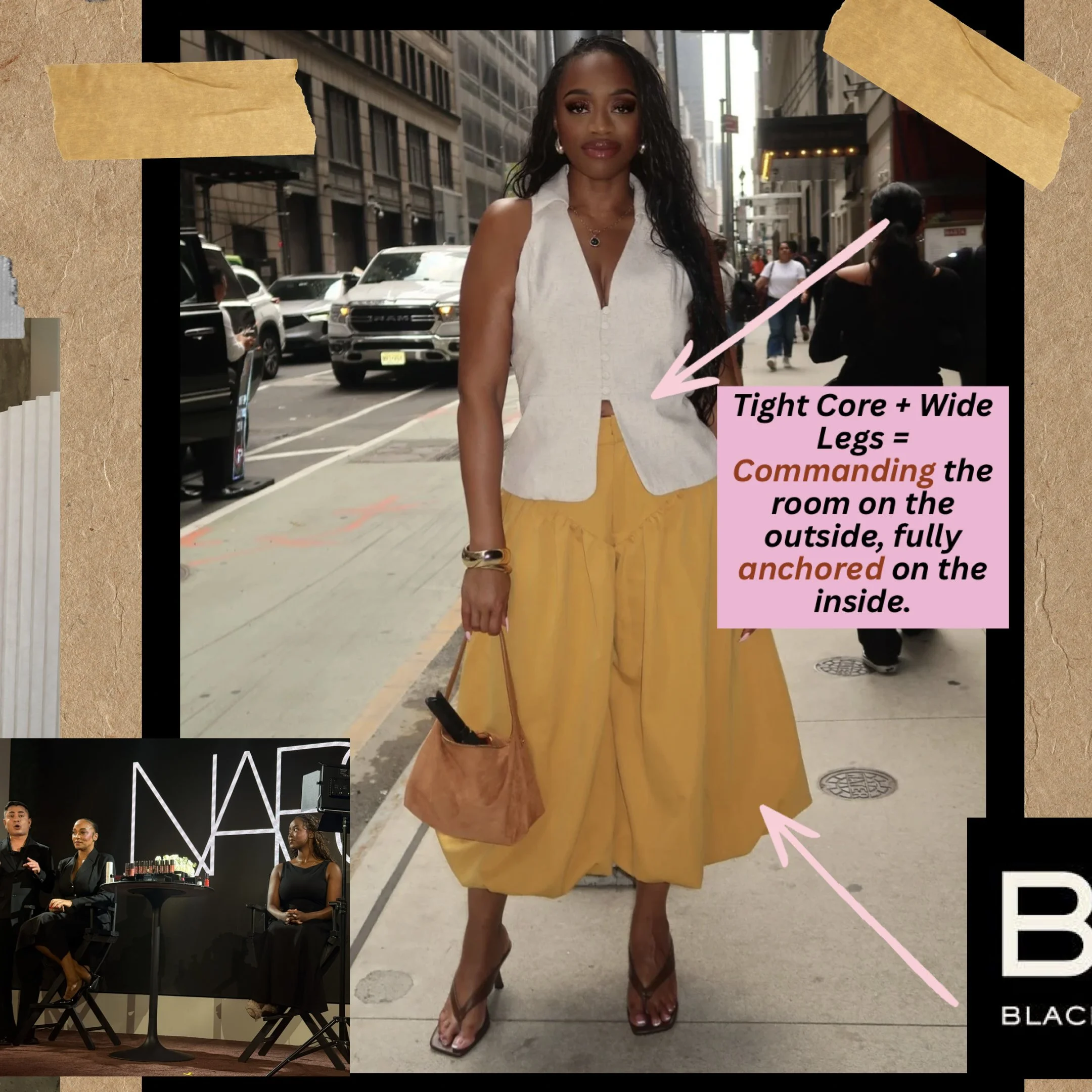
While the upper body demands structural containment, the lower half requires the exact opposite: absolute, unhindered liberation. Subjecting yourself to tight denim or restrictive trousers during a high-stakes, multi-hour event isn’t just uncomfortable—it is a massive sensory hazard.
To maintain baseline regulation, you must engineer physical freedom. Enter the balloon culotte.
Here is the functional breakdown of why this silhouette is a non-negotiable for sensory endurance:
Zero-Friction Architecture: These structural barrel legs are designed to flare completely away from the body. There are no seams digging into the thighs, no rigid fabrics binding the knees, and absolutely zero kinetic friction. It eliminates the constant, exhausting micro-distractions of adjusting tight clothing.
Dynamic Thermal Regulation: The brutal transition from suffocating NYC humidity to the aggressive chill of convention hall air conditioning is a recipe for physiological shock. The exaggerated, wide-leg balloon silhouette facilitates continuous, organic airflow. This constant circulation prevents sudden temperature spikes, protecting your internal battery.
Kinesthetic Grounding: As you move, the deliberate, heavier weight of the hem generates a subtle, rhythmic sweep around the ankles. This is not just a design detail; it serves as a built-in somatic fidget. The steady, predictable cadence of the fabric grounds your nervous system, keeping you rhythmically anchored with every single step.
Cinched Vest Waist
Provided core pressure to keep me feeling grounded and focused during panels.
Wide Balloon Pants
Stopped tight-fabric sensory overload and kept me cool all day.
Tight Core + Wide Legs =
Total authority on the outside, complete comfort on the inside.
The Takeaway
Showing up in spaces that celebrate Black beauty and creative innovation should mean being fully present, not distracted by physical discomfort. Finding clothing that combines supportive compression with unrestricted lower-body movement allowed me to enjoy the experience without sacrificing comfort or confidence. Fashion and well-being don't have to compete—you can make a statement, feel empowered, and protect your peace of mind all at the same time.
The Power of Modern Armor
Fashion is usually treated like just a surface-level decor, one that most like but never quite understand beyond colors, patterns, and matching.
If you’ve ever used a structured garment to step into a room and felt complete confidence, regulation, and at peace then you know it’s far deeper than that.
Welcome to The Neura Architect—a space built at the exact intersection of behavioral health, structural design, and elevated style. This platform isn't just about what looks good on the outside; it’s about how garment architecture, sensory feedback, and intentional silhouettes shape how we move through the world.
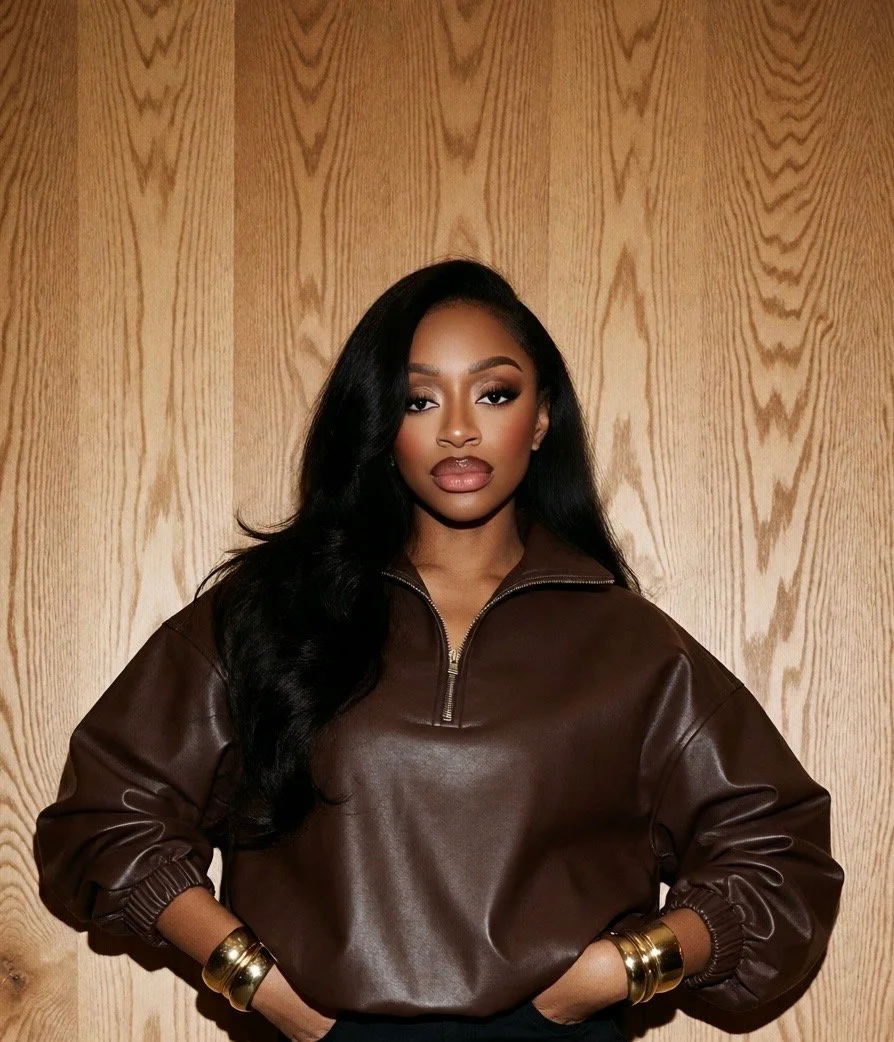
To kick off the launch of the site, we have to talk about the ultimate anchor piece: the Espresso Leather Bomber.
The Anatomy of this Leather Jacket Piece
There is a quiet magic when a jacket gets its proportions right, it changes your posture, your presence, and how you feel inside your own skin.
Here is why this piece works:
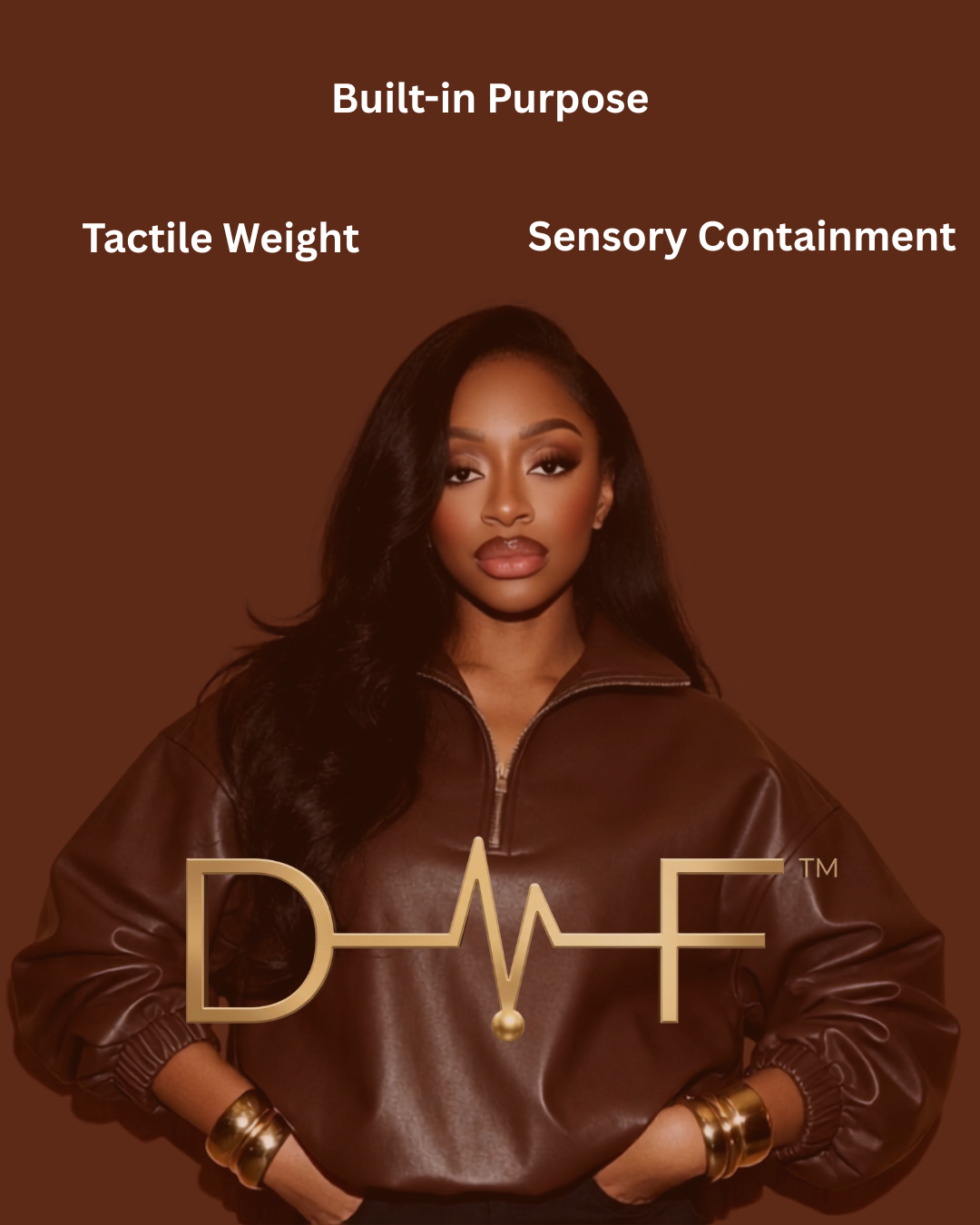
Sensory Containment: The oversized, cocooning sleeve volume and heavy l hem wrap around you, providing a continuous sense of physical grounding throughout your day.
Tactile Weight: The thick leather holds its shape perfectly instead of slouching. When your day gets loud and overwhelming, the solid feel of the jacket acts as a comforting physical anchor.
Built In Purpose: Deep, welted side pockets designed to sit exactly where your hands naturally rest when you need a moment to collect yourself.
Structured on the outside. Held together on the inside. That’s the whole outfit, honestly.
Why I Created The Neura Architect
This didn't come from years of sitting back and analyzing style—it came from living it. I felt firsthand how an outfit could change my posture, calm my mind, and give me a sense of armor when the world felt like too much.
Too often, fashion forces a choice between rigid, high-design pieces that feel constraining, or soft, shapeless loungewear that lacks authority. But clothing is infrastructure. It's the first boundary between your nervous system and the external world.
I created The Neura Architect to bridge that gap—exploring Diagnostic Fashion™ and structural style to show how intentionally chosen garments act as wearable armor. It’s about making sure your outer layer actively serves your inner state.
Diagnostic Fashion™ wasn’t born in a textbook—it came from living it. I noticed how the clothes on my back directly dictated the state of my central nervous system long before I gave the concept a name. On heavy, overwhelming days, flimsy or restricting garments left me feeling exposed and drained, while structured, weighted pieces acted as an immediate anchor for my mind and posture. Merging my clinical background in behavioral health with my love for structural garment design, I realized clothing is actually our very first line of defense: physical infrastructure for emotional regulation. Diagnostic Fashion is the practice of using intentional silhouettes, tactile weight, and sensory boundaries to actively support your internal state through what you wear on the outside.
What You Can Expect Here
Consider this site your home base for editorial breakdowns, style physics, and behavioral design. Moving forward, you can look forward to:
Architectural Style Insights: Deep dives into how textiles, physical weight, and structural silhouettes impact your energy, confidence, and posture.
Garment Dissections: Unfiltered breakdowns of statement pieces, analyzing why certain cuts and fabrics make you feel unstoppable or have a meltdown.
Glad you’re here for the start of this. Dive into the posts, explore the space, and build your armor. This is what it looks like when clinical meets couture. More outfits, more architecture, coming soon.
With intention,
Carla Haughton
The Neura Architect
Founder & Licensed Mental Health Therapist